
One winter morning in 1974, Mr. Hillman, my tenth-grade social studies teacher and the assistant football coach, sat smiling in front of twenty tense students. Under the stark fluorescent light of the second-floor classroom in Lamberton High School, the crown of his bald head shone above a horseshoe of black hair, his mustache thick and neatly trimmed, dark-framed glasses wide around his eyes, and his face tapered to a narrow jaw. His shoulders sloped down to firm biceps under a black polo. He sat grinning with his right arm hanging straight down past the armrest of his swivel chair so his hand was concealed behind the broad gray institutional-type desk at the front of the classroom. He held a starter’s pistol. Loaded. Cocked.
Earlier, shortly after the second-period bell rang, he stood beside the wooden lectern, and as the room buzzed with talk about last night’s basketball game and Alice Cooper and Spike’s ’69 Chevelle, he raised the gun above his head and fired it. We jerked in our desks as the concussion ricocheted off the high ceiling, slammed off the blackboard, banged across our desktops, clambered off the row of windows behind us, and beat against the brown door and transom in the front corner of the room opposite his desk.
Minutes later, my heart still thumping and ears ringing, I held a pencil in my clammy hand and bent over a sheet of theme paper. A bead of sweat ran from my armpit and down my rib cage. Behind me, Maureen Kluegel’s foot tapped convulsively against the chrome leg of her desk. My eyes flicked past Kevin Jenniges sitting ahead of me and to the front of the room, where Mr. Hillman — upright, motionless, smiling — watched us.
He was demonstrating, he said, the symptoms and effects of stress and anxiety.
He waited, his finger on the trigger, letting the moment build. It’s so our hearts would beat faster, he said, as we anticipated the concussion, and it was so. Our bodies would perspire even though we were cold, he said, and it was so. He said we’d be incapable of concentrating, and it, too, was so.
Eventually, he told us to stop writing. “And now you feel a fraction of what it was like to sit on that hilltop in Vietnam knowing the artillery would come. Sometimes just after dark, sometimes in the straight rain that fell in our sleep, sometimes in the light of the moon.” He shifted the pistol to his left hand, held it before him where we could see it, and drummed his fingers against the curved black handgrip.
“One night,” he said as his eyes moved from face to face in the still classroom, “we lay in the dark. It was quiet. Then, in the river below the hill we heard the water. Not the normal ripple of the current. This was like the small rush of crests as they break around bodies. We looked down the hill into the dark. We knew the VC were wading across. We knew we had to do something or we’d be overrun. So we set the coordinates and lobbed shells into the river. For a half hour we shelled Charlie in the water, and then we stopped and listened.”
He turned his head toward the door and shifted his eyes to the fluorescent lights in the ceiling as if the river were just outside, coursing through the hall.
“The water trickled down the banks and filled the craters we blew in the bottom. And then it was quiet.” He paused and looked at the faces of the tenth graders watching him. He smiled. “Next morning we walked down to the river to count casualties. There on both banks of the river we found them — bloody and torn and scattered.”
The room was silent except for the whir of the fan inside the air handler below the windows. Outside the door and down the hall a locker slammed shut. I leaned over my arms crossed on my desk. Someone had scratched a ragged peace sign in the surface.
Mr. Hillman looked over our heads toward the row of rectangular windows. “Broken bodies floated in the still water near the shore,” he said as he shifted his eyes back to us. “Ducks. We were so scared, so anxious that we mistook a flock of landing ducks for wading soldiers.” He eased the hammer against the chamber and laid the pistol in the top drawer on the right side of his desk. He looked at us, his hands folded in front of him, thumbs pointing at the cracked ceiling, and then at the clock above the blackboard. “Work,” he said.
Eight minutes until the bell. Now I could concentrate.
Three minutes later an explosion rocked the room. All our bodies leaped in our desks. Someone gasped. Others smiled nervously. My heart drummed in my chest, and the hand holding my pencil shook over the lined paper where the last cursive word shot into the line above it.
From behind Mr. Hillman’s desk a loose arm of smoke drifted toward the ceiling. He smiled.
* * *
Forty-five years ago, on March 29, 1973, the last American troops left Vietnam.
Forty-five years later, 1,601 U.S. soldiers who served in Vietnam still have not been accounted for.
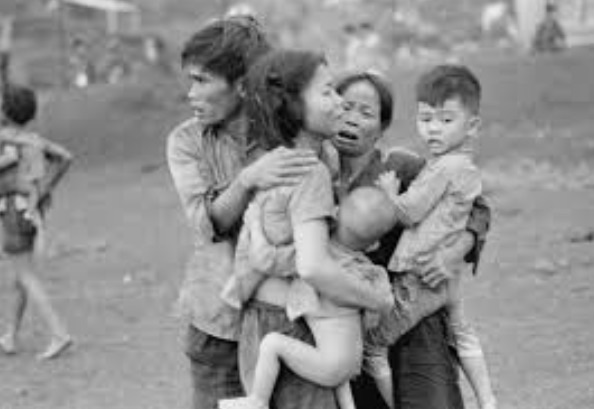
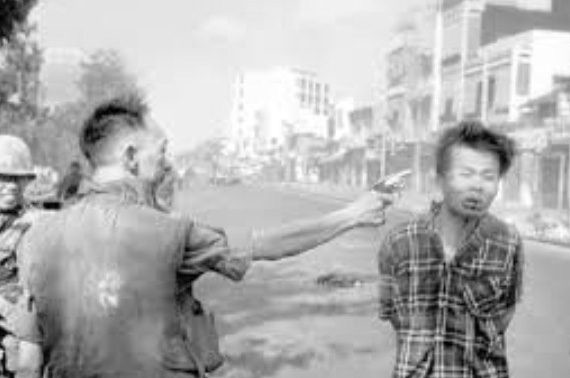
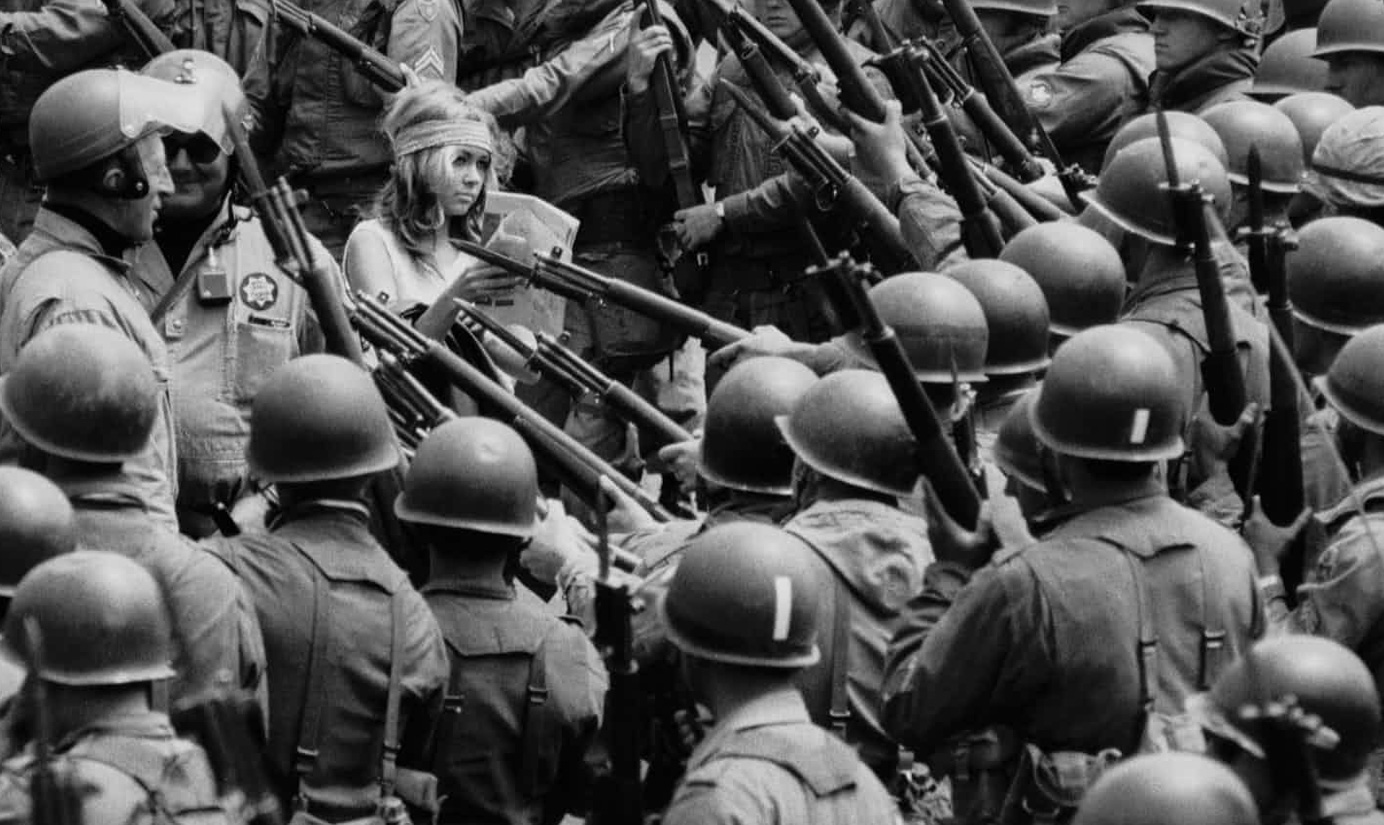
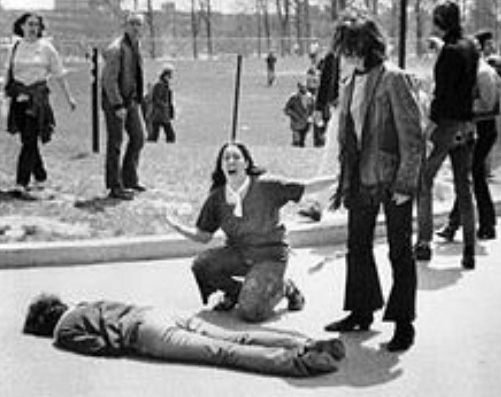
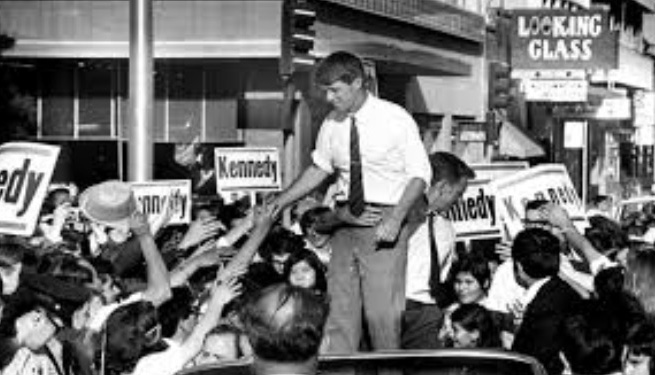
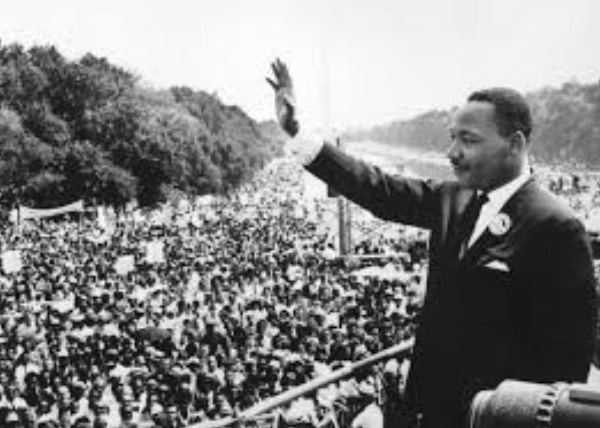
Forty-five years later, though I was just a teenager at the time, that gunshot still calls up names that echo across the decades: Kent State, My Lai, Tet, Walter Cronkite, Saigon, Berkeley, Bobby Kennedy, Woodstock, Nixon, Weathermen, Memphis, Martin Luther King, Jr.


We miss you, Randy! I’m glad to have made your acquaintance and spoken with you occasionally. Best regards de un Amigo.
Thanks, Carlos. It’s good to hear from you. I miss the many friends I made in Laredo, and sadly I don’t make the trip to South Texas as often as I’d like. Hope you’re well. Best wishes from PA.